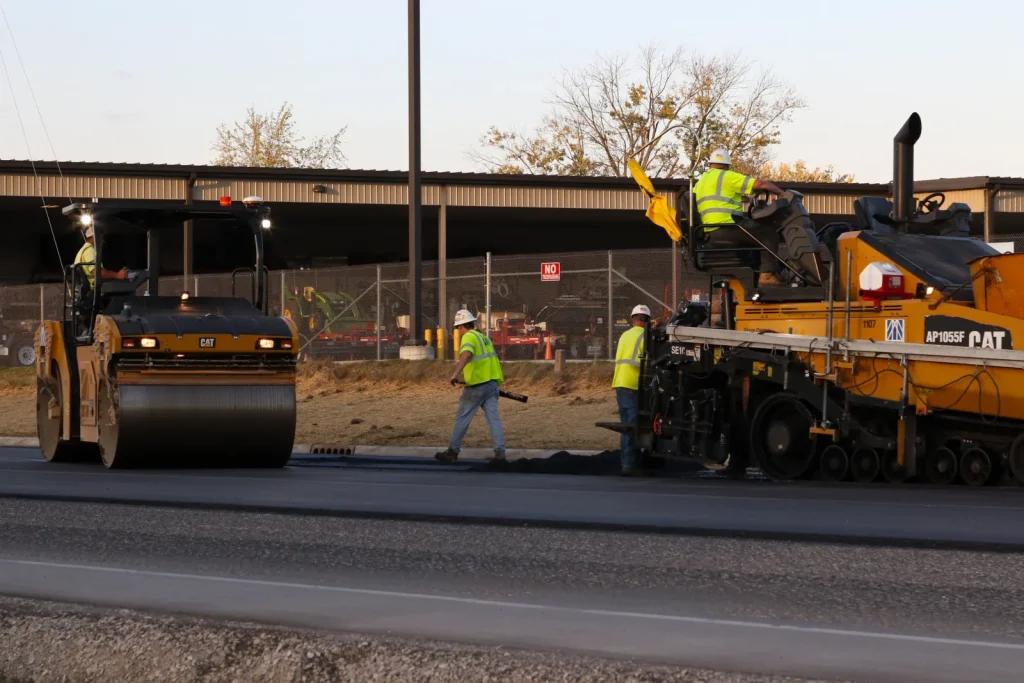
Your driveway takes a beating in San Antonio. It bakes in triple-digit summer heat, sits on soil that swells and shrinks with every wet spell and drought, and has to carry everything from the family car to a delivery truck. A well-built asphalt driveway handles all of that, and it costs less up front than concrete. As a local asphalt paving company in San Antonio, we install new asphalt driveways, replace failed ones, and widen or extend existing driveways for homeowners throughout the city and the surrounding service area.
Asphalt Driveway Contractors in San Antonio
When you hire asphalt driveway contractors, most of what you pay for is work you never see. We dig out soft soil, build and compact a crushed limestone base, set the slope so rain runs to the street, and roll the hot mix while it’s still hot. Some people call it a blacktop driveway. It’s the same thing, and it holds up well on San Antonio clay when the base is done right. Every estimate is free, written and itemized, so you can compare it line by line with other bids.
Signs It’s Time for a New Driveway
- Alligator cracking: interconnected cracks that look like reptile skin, usually a sign the base underneath has failed.
- Potholes and crumbling edges that come back soon after they’re patched.
- Sinking, rutting or soft spots where tires sit or where water collects.
- Standing water after rain, or water draining toward your garage or foundation.
- Old gravel or caliche that ruts, washes out and tracks dust into the house.
If your driveway only has faded color and a few thin cracks, you may not need a new one. Crack sealing and sealcoating can add years for a fraction of the cost, and resurfacing can put a new top layer on a driveway with a solid base.
We'll inspect your pavement and give you a written quote. Mon–Sat: 7:00 AM – 6:00 PM.
How We Build an Asphalt Driveway for San Antonio Conditions
The asphalt you see is only the top layer. What’s underneath decides whether the driveway lasts five years or twenty.
- Remove the old surface. Existing asphalt, concrete or gravel is broken out and hauled away.
- Excavate and prepare the subgrade. We dig to the design depth, remove soft or organic soil, and compact the native clay or caliche. On highly expansive clay we may recommend lime stabilization or a geotextile fabric.
- Install a flexible base. Crushed limestone base, typically 6 to 8 inches for residential driveways, is placed in layers and compacted with a vibratory roller.
- Grade for drainage. The base is fine-graded so water sheds away from your home and toward the street or yard, never toward the garage.
- Pave with hot mix asphalt. After a prime coat, we place 2 to 3 inches of hot mix asphalt, commonly a fine-graded surface mix similar to TxDOT Type D, and compact it while it’s hot.
- Finish the edges. Edges are compacted and tapered so they don’t crumble, and transitions to the garage slab and street are smoothed out.

Asphalt Driveway Services
- New driveway installation on new construction or where there’s only dirt or gravel now
- Driveway replacement when the existing asphalt or concrete has failed
- Widening and extensions for an extra car, RV or boat
- Parking pads, turnarounds and circle drives
- Long rural and Hill Country driveways, where chip seal or recycled asphalt millings can be cost-effective alternatives to hot mix
- Driveway repair: see asphalt repair for potholes, sunken areas and edge damage
Asphalt vs. Concrete Driveways in San Antonio
| Asphalt | Concrete | |
|---|---|---|
| Typical installed cost | Lower | Higher |
| Ready to drive on | About 2–3 days | About 7 days |
| Ground movement (clay soil) | Flexes; cracks are easy to seal | Rigid; slabs can crack and heave |
| Summer surface temperature | Hotter | Cooler |
| Maintenance | Sealcoat every 2–3 years | Joint and crack repair as needed |
| Renewal | Can be resurfaced with an overlay | Usually removed and replaced |
For long driveways and properties with active clay soil, asphalt usually gives you more driveway for the money. For a short urban driveway where appearance and heat matter most, concrete can make sense. We’ll tell you honestly which fits your property.
Asphalt Driveway Cost in San Antonio
Most new asphalt driveways in San Antonio fall roughly between $4 and $7 per square foot, including base preparation and hot mix. A typical two-car driveway of about 24 by 40 feet (960 sq ft) often lands between about $3,800 and $6,700. Removal of old concrete, extra excavation for poor soil, long hauls and tight access raise the price, while overlaying a solid existing driveway costs less. See the full San Antonio asphalt paving cost guide.
City Rules: The Driveway Approach
Inside San Antonio city limits, the driveway approach (the section between the street and your property line) is generally required to be concrete, while the driveway on your property can be asphalt. New curb cuts and work in the right-of-way go through the City of San Antonio Development Services Department. If you live in an HOA, check whether your association needs to approve the project. We’ll help you sort out what applies to your address.
Caring for Your New Asphalt Driveway
- Keep cars off for 48 to 72 hours, and longer during peak summer heat.
- Avoid turning the steering wheel while the car is stopped for the first few weeks.
- Keep heavy trucks, trailers, RVs and dumpsters off for at least a week, and use plywood under jack stands or kickstands.
- Schedule the first sealcoat about 6 to 12 months after paving, then every 2 to 3 years.
- Seal cracks as soon as they appear so water can’t reach the base.
Asphalt Driveway FAQs
How thick should an asphalt driveway be?
For a typical San Antonio home, we recommend 2 to 3 inches of compacted hot mix asphalt over 6 to 8 inches of compacted crushed limestone base. Driveways that carry RVs, trailers or work trucks need a thicker section.
Can you pave over my old concrete or asphalt driveway?
Paving over sound asphalt is common and cost-effective. Paving over concrete is possible in some cases, but cracks and joints in the concrete tend to reflect up through the new asphalt, so removing the concrete is often the better long-term choice.
How long does it take to install an asphalt driveway?
Most residential driveways take one to three days from tear-out to final rolling, depending on size, base work and weather.
Will tree roots damage my asphalt driveway?
Roots from live oaks and other large trees can lift and crack asphalt over time. We look at nearby trees during the estimate and can adjust the layout or recommend a root barrier where it makes sense.
Do I need a permit for a new driveway in San Antonio?
Replacing the driveway on your own property usually doesn’t need the same review as work in the public right-of-way. A new or changed curb cut or driveway approach generally involves the City of San Antonio. Rules change, so we confirm the current requirements for your address before work starts.
How long before I can park on a new asphalt driveway?
Usually 48 to 72 hours. In peak summer heat, give it a few more days, because warm asphalt stays soft. For the first few weeks, avoid turning your wheels while the car is stopped, and keep heavy trucks, trailers and RVs off for at least a week so they don’t leave dents.
How long does an asphalt driveway last in San Antonio?
A well-built hot mix driveway usually lasts 15 to 20 years or more here. The base matters most: a thick, compacted limestone base on clay soil is the difference between five years and twenty. Sealcoating every 2 to 3 years and sealing cracks quickly keeps sun and water from shortening its life.
Related Services
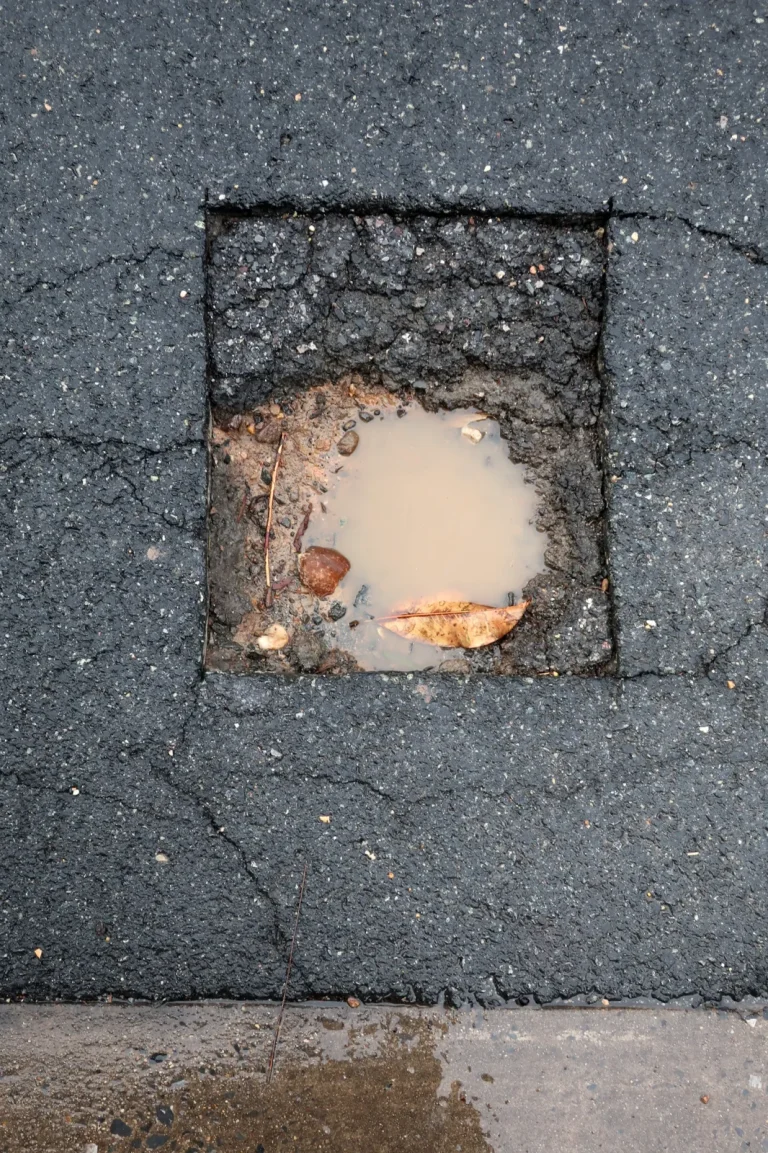
Asphalt Repair
Pothole repair, patching and base-failure fixes before small damage becomes a rebuild.
Learn more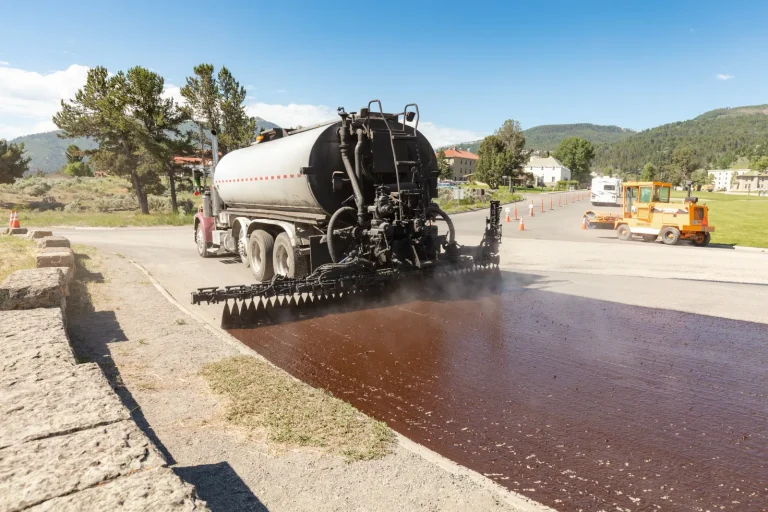
Sealcoating
Protective sealcoat that shields asphalt from Texas sun, oxidation, oil and water.
Learn more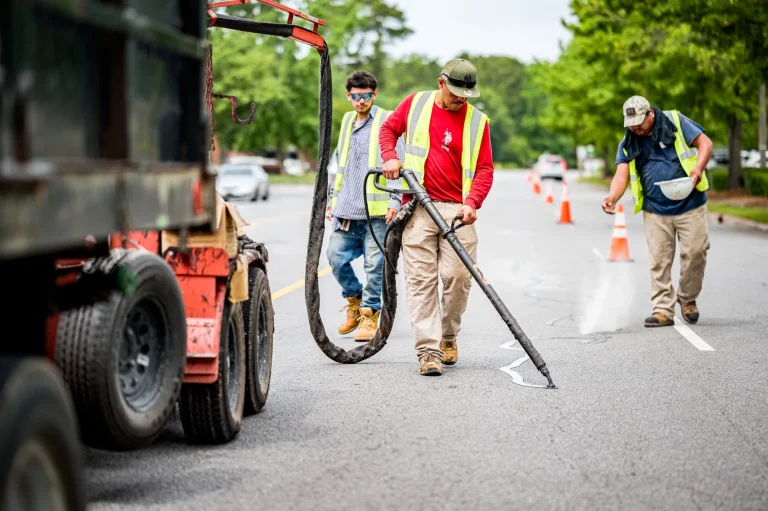
Crack Sealing
Hot-pour rubberized crack sealing that keeps water out of the base.
Learn more